HOW TO USE PAST QUESTIONS AS A POWERFUL REVISION GUIDE FOR WAEC, UTME & OTHER EXAMS

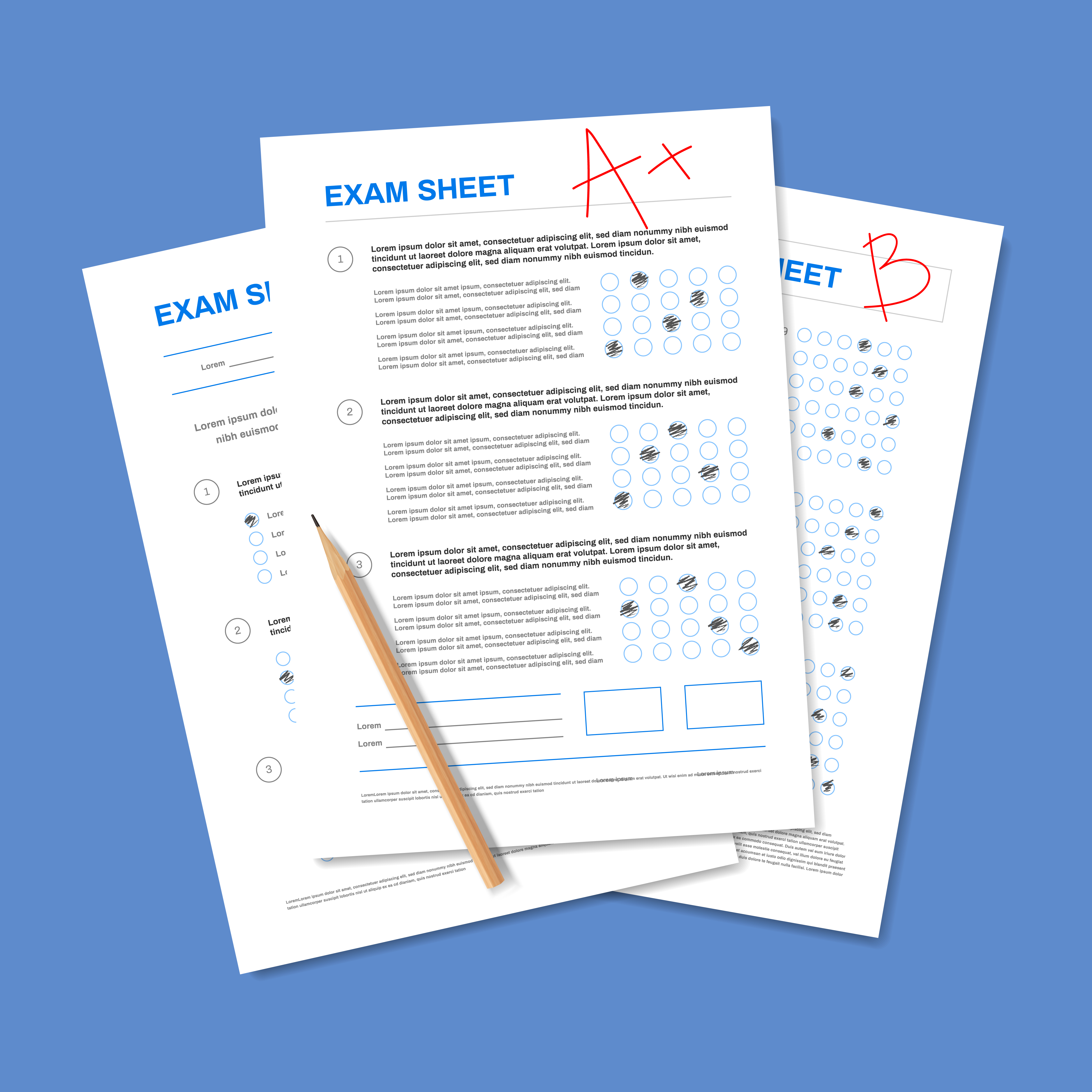
The Mistake Most Students Make
Let’s be real, when most students pick up a past question paper, they just flip through it, try a few questions randomly, and move on. No structure. No intention. No strategy. Nothing.
However, here’s the truth: past questions, if used right, can boost your revision power, exam confidence, and final scores. Whether you're preparing for WAEC, NECO, NABTEB, UTME or school exams, these "old papers" are more than just throwbacks. They’re your cheat code to academic success.
So, how do you unlock the real power of past questions? Let’s dig in.

Do You Know What Past Questions Really Are?
Past questions reflect what examiners love to ask, how they structure questions, and what topics they emphasise. Think of them as insider information on the exam you’re walking into.
By studying them, you learn:
- Repeated patterns and frequently asked topics
- How questions are framed
- Time management skills
- The examiner’s “thinking style”
Studying With Others Can Make Revision Fun And Effective. See how to revise with friends here
Start With the Syllabus, Not the Questions
Before diving into past questions, first familiarise yourself with your syllabus. This helps you:
- Know what is still relevant (some old questions may be outdated). This enables you to avoid wasting time on cancelled topics
- Prioritise subjects based on your exam body's focus
By being syllabus-aware, you’ll know what to focus on.
Studying With Others Can Make Revision Fun And Effective. See how to revise with friends here
Don’t Just Solve, Study the Questions
Here's where many students miss it. They rush to solve the questions instead of studying them.
Smart students;
- Identify topics that appear most frequently
- Note question styles (fill-in-the-blanks, diagrams, theory, etc.)
- Observe if topics come as definitions, explanations, or applications
- Use a separate notebook to record observations on recurring topics and tricky formats.
Time Yourself Like It’s the Real Exam

Past questions are your practice ground, but don’t treat them like just rehearsal time. Train like it’s game time.
- Set a timer.
- Stick to official time limits (e.g., 40 minutes for 50 UTME questions).
- Practice focus and speed under pressure (you can use a loud beeping timer for this).
Over time, your brain builds exam stamina and quick-thinking ability.
Group Questions by Topics, Not Years
Instead of solving questions year by year, group them by topic.
Why? It helps you master each topic thoroughly.
Example:
Instead of solving “WAEC Chemistry 2018”, solve all “Acid-Base questions from 2010 - 2020”. That way, you understand every angle WAEC could come from.
Studying With Others Can Make Revision Fun And Effective. See how to revise with friends here
Learn from Mistakes; Track and Review
Every wrong answer is an opportunity to grow. Here's how to handle it:
- Keep a “Mistake Logbook.”
- For each wrong answer, write the correct one AND why you missed it
- Revisit your mistakes weekly
This builds active recall: one of the strongest memory techniques.
Use Marking Schemes or Official Answers
If you're using WAEC, NECO, NABTEB, or your institution’s theory past questions, always check with official marking schemes.
This helps you:
- Understand what examiners are looking for
- Learn how marks are awarded
- Avoid writing too much or too little
Sometimes, examiners want keywords, not entire stories.
Pair with Other Tools
While past questions are amazing, they shouldn’t be your only tool.
- Use them after studying each topic
- Complemented with notebooks, textbooks, flashcards, Online or Onsite tutorials, our(A³) blog posts, and mock tests
- Use apps that provide solutions or allow timed quizzes
Past Questions Boost Confidence, Not Laziness
Avoid falling into the trap of cramming past questions without truly understanding them. (Don’t tell me you’re reading this 2 days before your exam, so there’s no time for understanding, there's still time🥱.)
Examiners can change the wording anytime.
Instead, focus on understanding the topic behind every question.
Then, even if the question comes differently, you’ll still crush it.

Studying With Others Can Make Revision Fun And Effective. See how to revise with friends here
Here’s how to use past questions in a group:
- Each person picks a topic and prepares questions
- Everyone answers within a time limit
- Discuss answers and marking schemes together
This method strengthens retention and exposes areas that may be blind spots.
BONUS:
How Many Years of Past Questions Should You Use?
- UTME/WAEC/NECO: Last 7 - 10 years, if possible
- Post-UTME: Focus on the university’s own questions or format of 5 years or more.
- School exams: 3 - 5 years should be fine
- Print or download all relevant past questions early
- Set up a weekly schedule to solve at least 2–3 subjects
- Mix theory and objective for balance
- Stay consistent: little progress adds up
Conclusion: The Past Can Shape Your Future
Every high scorer you admire most likely made past questions their revision partner.
Why?
Past questions teach you how to think like the examiner, avoid common mistakes, and enter the exam hall with boldness.
Now it’s your turn.
Studying With Others Can Make Revision Fun And Effective. See how to revise with friends here
👉 Want more smart exam strategies?
 Create your free profile on A³ (All About Admission) to access tools and updates,
👥 Join a community of students like you.
📌 Follow us on TikTok, and Facebook. Email us @ allaboutadmission2@gmail.com
📩 Drop a comment below to answer this question: How have you been studying with past questions?
0 Comments
Please log in to leave a comment or reply.
Be the first to leave a comment!